Image quality
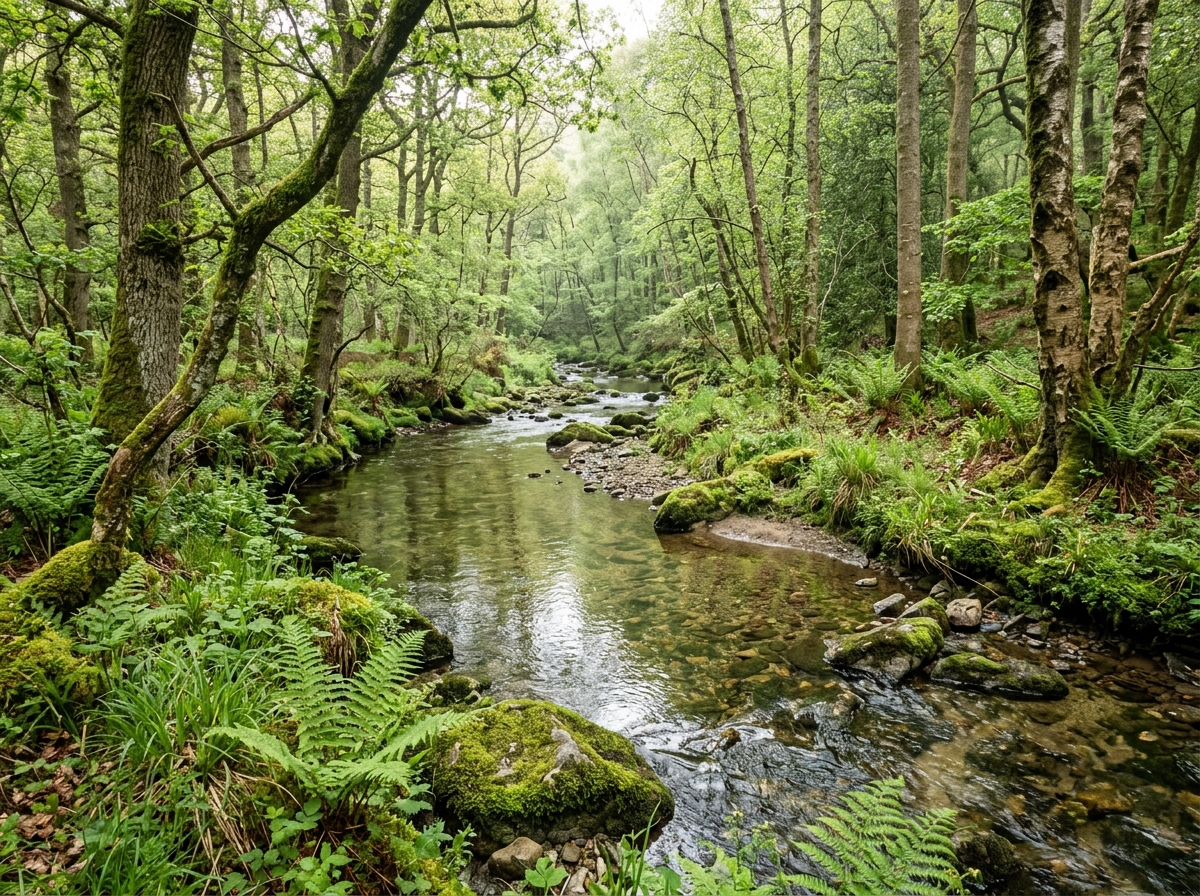
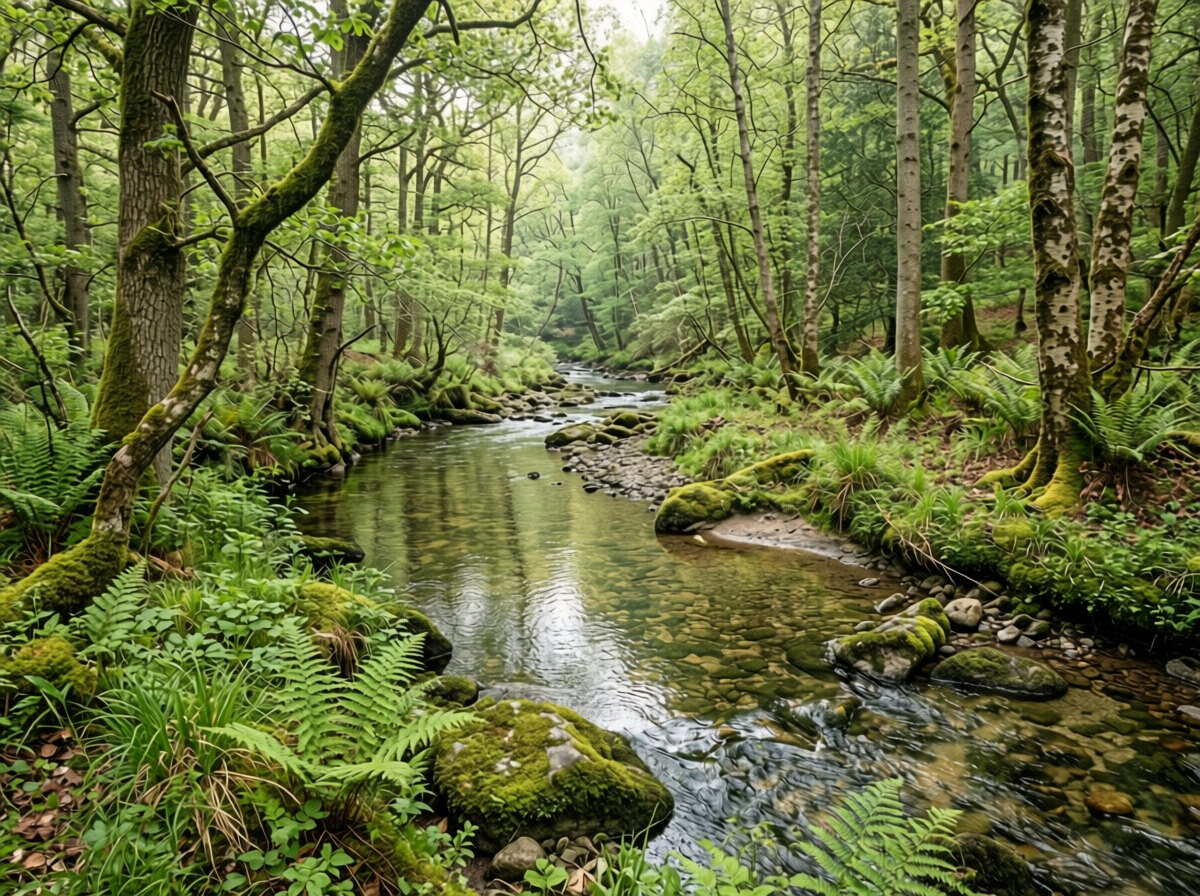
Remove SynthID from images online with our quality-tested tool. Upload a JPEG, PNG or WebP image and download your result when it is ready. Built for high-quality images, face detail, and text preservation at the original resolution. Try up to 1 image free each day. No signup or software download required.


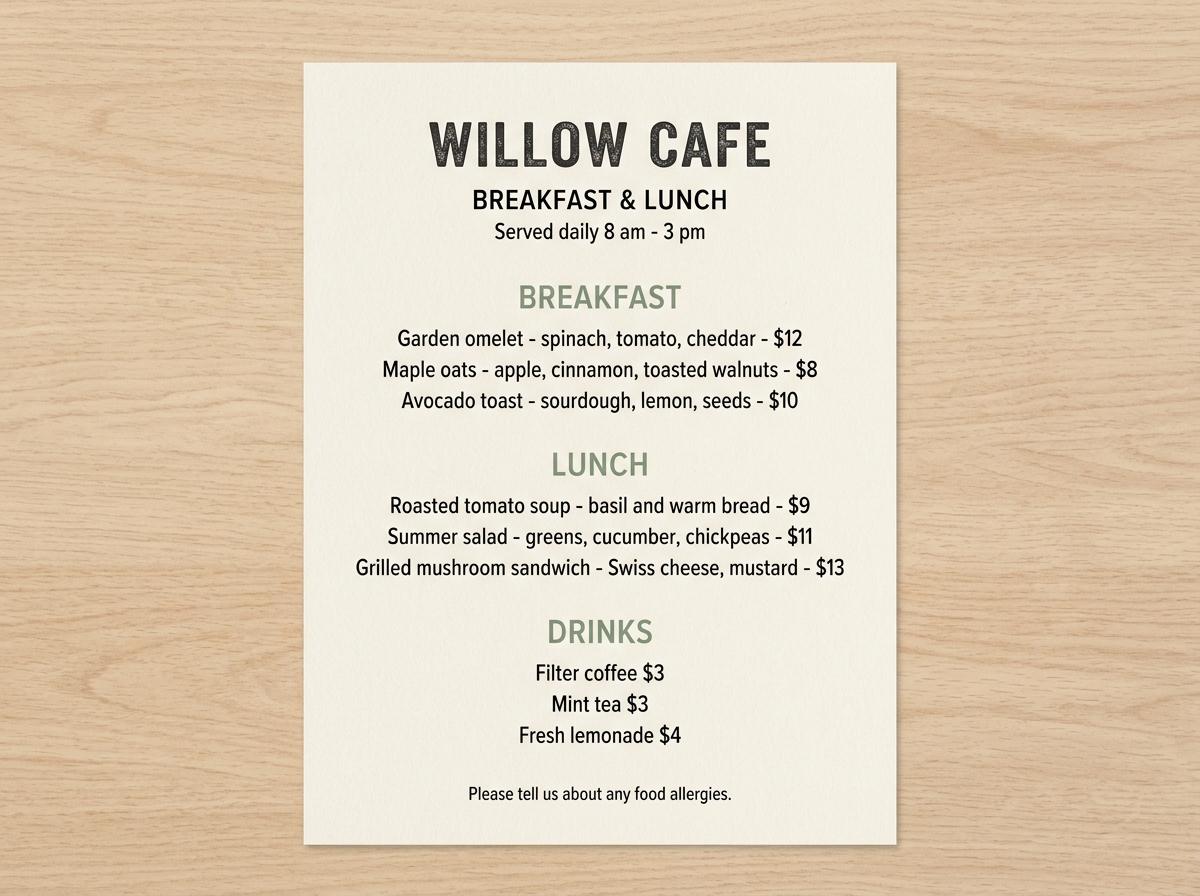
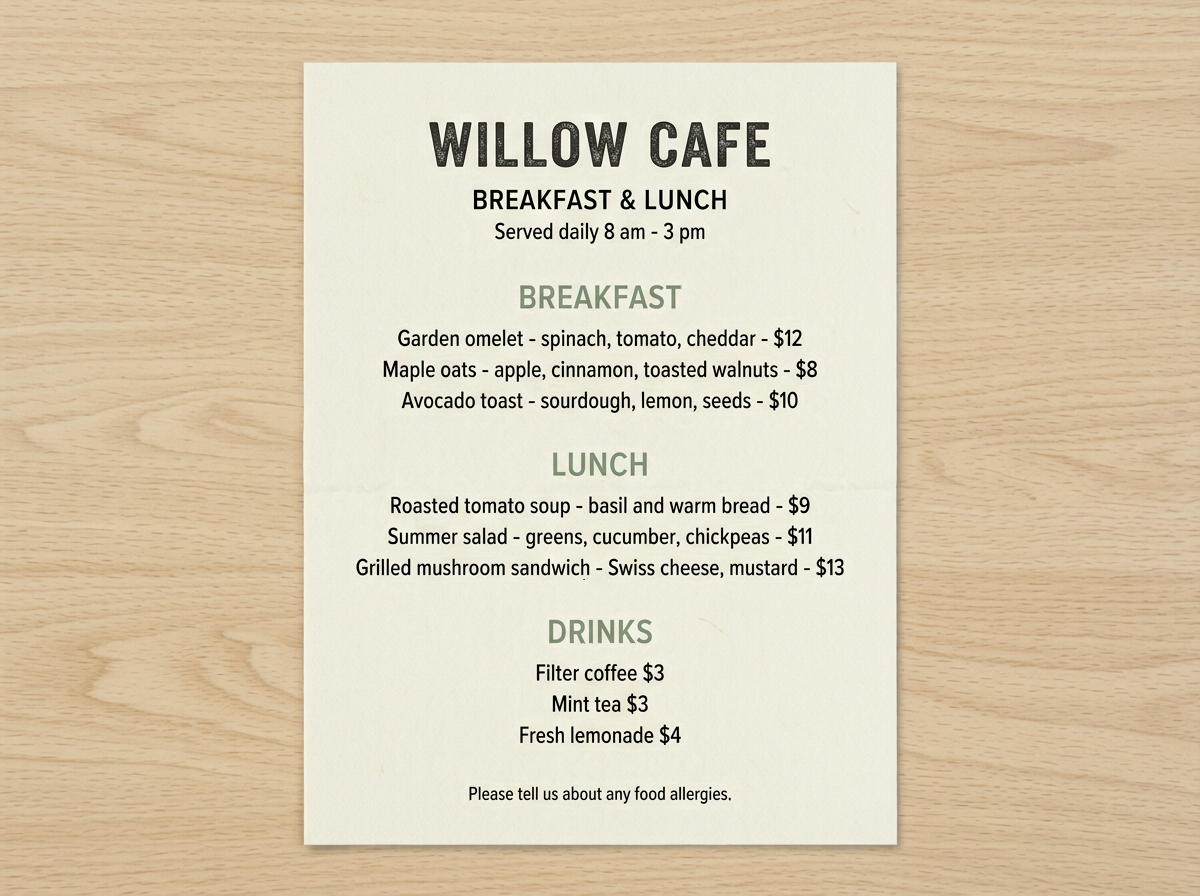
A simple, quality-focused service with no registration or complicated settings.
Process up to one image each day, with no subscription or payment required.
Our tested pipeline is built to preserve natural facial detail and readable text, with automated quality checks before every download.
Use JPEG, PNG or WebP formats with limits of 15 MB and 20 megapixels per image.
Successful results retain the original pixel dimensions and transparency when present.
Try your free images without registering. Sign in to add funds and pay as you go.
Files use private temporary storage and are automatically deleted on a short schedule.
Four clear steps from upload to a quality-checked result.
Choose a supported image to begin processing automatically.
A fixed, quality-focused process handles the image on temporary remote infrastructure.
Automated checks verify dimensions, file integrity, text, lines, and visual fidelity.
Download your result within one hour. Any quality warnings are shown before download.
Prepare images for editing, research, publishing, and creative work.
Continue editing AI-generated images in compatible creative workflows.
Prepare design, marketing, and publishing assets for your next workflow.
Evaluate image provenance and transformations in research and testing workflows.
Re-encode an image while removing common embedded metadata containers.
Clear answers about limits, quality, privacy, and responsible use.
Yes. You can process up to one image per day without a subscription or payment, subject to availability and daily limits.
Free images do not require an account. Sign in to add funds and process more images as you need them.
Each JPEG, PNG or WebP image can be up to 15 MB and 20 megapixels. Animated images are not supported.
Our process targets SynthID in images from Google (Gemini, Nano Banana, Nano Banana Pro, Nano Banana 2, and Imagen) and OpenAI (ChatGPT, ChatGPT Images, GPT Image, Codex, and OpenAI API). This includes images generated with Google models and downloaded from ImageFX, Whisk, Google AI Studio, and Vertex AI. It also removes embedded metadata such as C2PA from supported files, including DALL·E images. Upload a JPEG, PNG or WebP image to get started.
No. A provider may still detect a supported signal after processing. A completed result does not prove that an image is human-created.
No. Processing changes pixels. Results that miss text or image-quality targets remain downloadable with a clear warning. Invalid or incomplete files are not delivered.
Inputs are deleted after processing or failure. A successful result is available for up to one hour, and a 24-hour storage rule provides the final deletion backstop.
Supported visible AI labels include Gemini, ByteDance Doubao, Jimeng, Alibaba Qwen, Kling AI, Tencent Yuanbao, Samsung Galaxy AI, RunningHub, Baidu, and LiblibAI. The process can reduce or remove these recognized labels. General logos, signatures and rights-holder watermarks are not supported.
You remain responsible for applicable laws, contracts, platform rules, and disclosure requirements.
Upload a JPEG, PNG, or WebP image. Try up to one image free each day. No account required.
Process an Image Free